Walk any neighborhood after a major storm and you will see the same mix of blue tarps, patched shingles, and brand-new roofs with crisp ridge lines. Some homes needed full roof replacement, others only a targeted repair. From the curb, the difference can look like guesswork. From the roof deck, it is anything but. Good roofers weigh age, materials, structure, ventilation, and the pattern of failures before advising an owner. When you understand those trade-offs, you can talk to a roofing contractor with confidence, spot weak proposals, and protect your home without overspending.
What “repair” and “replacement” actually mean
Repair covers localized fixes. A few lifted shingles after a wind event, a failed pipe boot, step flashing that has separated from a wall, a cracked vent cap, or a small area of hail fractures. Done properly, a repair isolates the problem, restores waterproofing, and matches the existing system so the patch does not become the next leak. The right repair blends in, maintains warranties where possible, and buys years of service life.
Replacement is the full system. Tear-off down to the deck, evaluation and correction of damaged sheathing, installation of underlayments, ice and water protection in key areas, new flashing, ventilation adjustments, and new shingles, tiles, or panels. A proper roof replacement addresses underlying causes, not just symptoms, and resets the clock on the roof’s lifespan.
The tricky zone sits in between, where the roof still sheds water most days but has cumulative issues that will compound. Many calls begin with “Roofing contractor near me” and a hope that one repair will make the problem go away. Sometimes it will. Other times, that hope becomes a string of service calls, each a bandage on a system that is reaching the end of its reliable life.
The lifespan realities by material
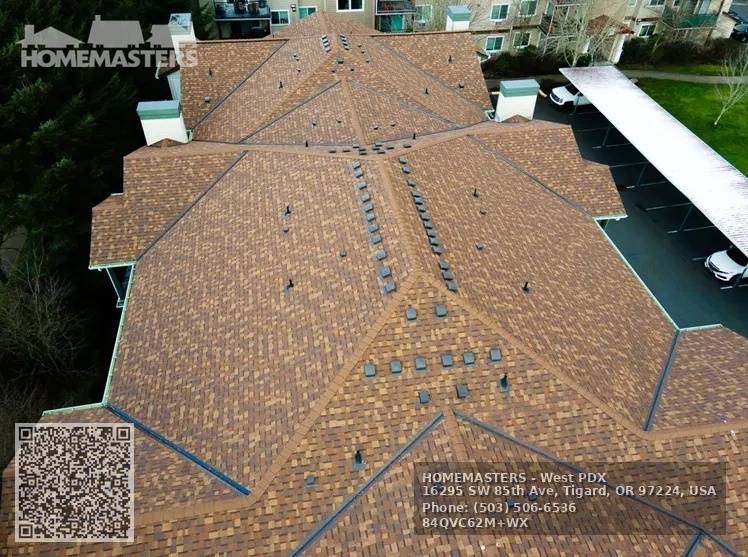
Shingle roofs are not all equal. A 3-tab asphalt shingle typically serves 12 to 18 years in a moderate climate, less under intense sun or heavy wind. Architectural shingles are heavier and often last 18 to 28 years, sometimes beyond 30 with careful ventilation and mild weather. High-end designer shingles or impact-rated products can run longer, but they still depend on installation quality and roof design.
Metal, such as standing seam steel or aluminum, often carries a service life of 35 to 60 years. Fastener-driven corrugated panels can be robust, but exposed fasteners need periodic maintenance as gaskets age. Tile and slate can run 50 to 100 years, but the underlayment beneath is the true waterproofing. When tile or slate roofs start to leak, the fix often targets underlayment, flashings, or broken tiles rather than the entire surface, unless age or systemic failure says otherwise.
If your roof is within the first half of its expected life and the issue is clearly isolated, a repair is usually smart. If it is in its last third and problems are appearing in different zones, replacement starts to make more sense, even if there is no gaping hole today.
What veteran roofers look for first
An experienced crew chief walks the roof and the attic, then taps a handful of spots with the back of a hammer and listens. Spongy sheathing tells a different story than a torn shingle. Here are the quiet signs that guide the decision, drawn from job site checklists and countless diagnostics:
- Age and uniform wear: Granule loss, exposed fiberglass mat, curling edges, or widespread blistering hint at systemic aging rather than a single-event failure. Flashing history: Valleys, chimneys, and wall intersections. New shingles over old or caulk where metal should be are red flags. Flashing problems tend to recur unless fully corrected. Attic conditions: Ventilation, moisture, staining on the underside of the deck, shiny trails from condensation, mildew on rafters, or rust on nail tips. A hot, damp attic shortens roof life. Deck integrity: Delamination in OSB, rot in plank sheathing, or nails that have pulled through. Repeated nail pops across many planes point to movement in the deck. Leak pattern: One ceiling stain near a bath vent is different than drip lines across two rooms and a hallway. Multiple areas mean water is finding more than one path.
When two or more of these stack up near the end of a roof’s expected life, a roofing contractor will start leaning toward a full roof replacement. Not because it is more profitable, but because chasing leaks on a dying system frustrates everyone and costs more in the long run.
Weather events, insurance, and the gray area
Hail does not treat every roof equally. Softball-sized impacts make decisions simple, but the more common pea to quarter-size hail can bruise shingles without obvious holes. Bruising fractures the mat under the granules. The shingle may look intact that day, then shed granules and crack months later. A reputable roofer documents test squares, lifts a few shingles to check for fractures, and photographs collateral hits on soft metals like gutters, vents, and AC fins. If damage is both functional and widespread, a claim may be warranted. If only a few slopes are affected, partial replacement or slope-specific work could be appropriate.
Wind damage behaves differently. Negative pressure lifts shingles from the bottom edge. If many tabs are creased or missing across multiple slopes, you are likely in replacement territory. If one plane along a windward edge has the majority of the failures, a targeted repair and reinforcement may be enough, provided the shingles are still pliable and can be lifted without HOMEMASTERS - West PDX Roofers breaking.
Insurance carriers focus on functionality, not cosmetics. A roofer who understands carrier guidelines can save you from a denied claim or from replacing a roof that only needs repair. If a contractor pushes for immediate replacement after light hail with minimal collateral evidence, get a second opinion from other roofing companies. The best roofing company in your area will not pressure you into a claim that is unlikely to be approved.
The economics behind the decision
A homeowner often asks: Can we just fix the leak? The short answer is yes, if the rest of the roof can support that fix. The longer answer weighs cost over time.
Imagine a 2,000-square-foot roof with architectural shingles. A localized repair for a failed valley might run 600 to 1,200 dollars depending on complexity and access. If the roof is seven years old, that cost is efficient. If the roof is 20 years old and similar repairs have occurred twice in the past three years, that same 600 to 1,200 dollars is a bridge to nowhere.
A full roof replacement for that home might range from 10,000 to 22,000 dollars depending on region, product, steepness, and wood replacement. Add upgrades like ice and water shield in additional zones, ridge venting, or premium shingles and the range moves higher. The value is a reset of warranties, improved energy performance through better ventilation, and fewer service calls. Over 15 to 25 years, that stability often pencils out in your favor.
Something few owners factor in is interior damage. One slow leak can ruin drywall, flooring, millwork, and insulation. A 500-dollar patch that fails in a storm can become a 4,000-dollar interior restoration. When risk of interior damage is high due to roof age or design, replacement is not just about shingles, it is about downstream protection.
Ventilation, the silent culprit
Roofers talk more about ventilation than homeowners expect. That is because attic heat and moisture attack asphalt binders and create conditions for ice dams. Intake at the eaves and exhaust at the ridge is the basic setup, matched to attic volume. Many houses have plenty of exhaust but starved intake, or they mix systems poorly. A ridge vent paired with powered box fans can short-circuit airflow. Bathroom fans that dump into the attic rather than outside are mold factories.
If your roof shows algae streaking, widespread granule loss, or premature curling in hot climates, poor ventilation may be a prime driver. Repairing a leak without correcting ventilation is shortsighted. A full roof replacement gives a chance to adjust the system: added soffit vents, baffles to keep insulation from blocking airflow, correctly sized ridge vent, and sealed penetrations. A skilled roofing contractor includes this in the conversation, explains the building science in plain terms, and shows before-and-after attic temperatures where possible.
Matching materials and aesthetics in repairs
Not every repair blends in. Shingle lines change every few years. Colors fade. A patch on a south-facing slope will almost never match perfectly. Some owners do not mind, others do. A good roofer will set expectations. In one case, a homeowner with weathered driftwood shingles needed a 200-square-foot repair along a chimney. We sourced bundles from a supplier’s back stock and still had a two-shade difference. The fix was watertight and structurally correct, but the color mismatch was obvious in afternoon sun. That owner accepted the compromise because the roof had five to seven years left otherwise. Another client opted to replace the entire front slope for uniformity and keep the remaining slopes for a later phase. Phased replacements can work when budgets and aesthetics collide, provided flashing and transitions are handled carefully.
Tile and metal repairs bring different challenges. Reclaimed clay tiles may be scarce or brittle. Metal panel colors shift with production lots, and oil canning appears if panels are not installed with the right clip spacing and substrate preparation. When repair aesthetics matter, ask your roofer to show you a photo set of similar repairs, not just new roofs.
How deck and flashing shape the call
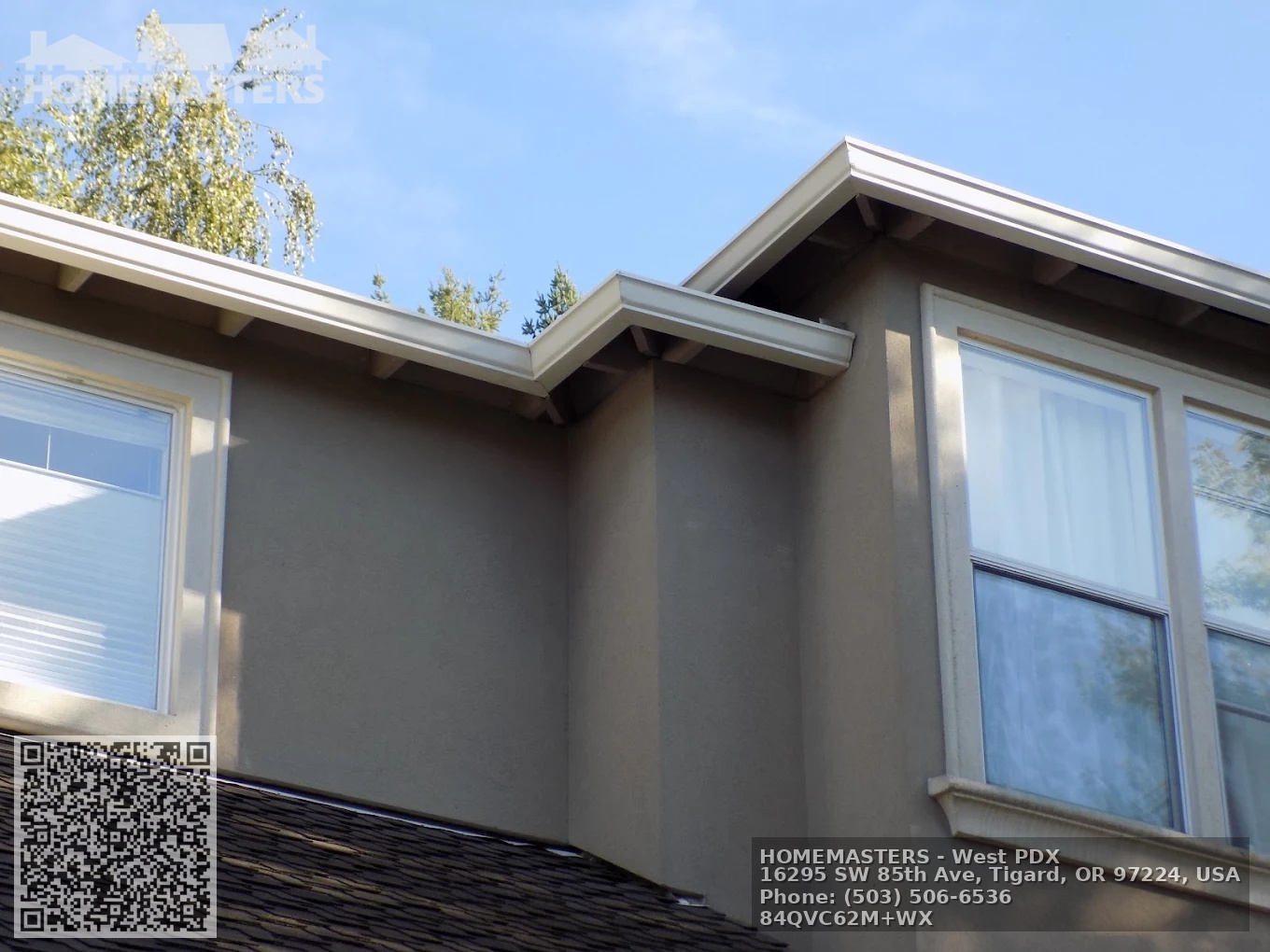
Under the shingles sits the deck, and along every seam sits flashing. Most recurring leaks trace to those zones. If the deck is flat and sound, and the flashing is correct but aged, a localized replacement of flashing assemblies can restore function. Chimney step flashing can be surgically replaced if the adjoining shingles are salvageable and the shingles themselves are still flexible. Skylights can be re-flashed or, if old and inefficient, swapped during a repair without redoing the whole plane.
If the deck shows soft spots across multiple planes, or if the roof has chronic nail pops that recur after prior fixes, you are likely facing broader structural fatigue. Roofs on older homes with plank sheathing often develop gaps as wood dries and shrinks. Shingles bridge those gaps for a while, then fasteners lose purchase. In these homes, a full roof replacement lets the crew add proper decking where needed, fasten to solid substrate, and eliminate the root cause of repeat leaks.
Home type and climate shape the risk
A low-slope porch tied into a steep main roof is a leak magnet, especially in snowy regions. Water lingers on low-slope sections, backs up under shingles, and finds valleys. In those cases, a repair that adds ice and water shield, adjusts slope transitions, and corrects flashing at the tie-in can solve the problem. But if low-slope areas are large or multiply across the house, switching to a membrane system during a full roof replacement is the durable move.
In coastal zones, wind-driven rain works sideways into laps. Fastener patterns and underlayment choices matter more. Impact zones in the Midwest benefit from class 4 impact-rated shingles, but the deck fastening pattern also helps keep the system intact. An experienced local roofing contractor has seen what fails in that climate and will tailor the recommendation accordingly.
When a small repair is the smartest move
Homeowners sometimes feel steered toward replacement. The best roofing company in your region will point out when a repair is truly best:
- A single, well-defined leak at a plumbing vent, satellite mount, or chimney saddle on an otherwise young roof. Wind damage limited to a small number of shingles on one slope, with sufficient spare bundles on hand or available matches. Nail pops in a few areas with otherwise solid decking, correctable with proper fasteners and sealant under tabs. Improperly sealed or missing ridge caps while the field shingles remain in good condition. A failed skylight on a mid-life roof where a new curb-mount unit and flashing kit solve the issue without touching the rest of the plane.
These are classic quick wins. They stop water, cost relatively little, and do not waste material or labor on slopes that still have service life.
When replacement protects your investment
There are also clear triggers for full roof replacement that experienced roofers watch for:
- Roof age is near or beyond the expected range for the material, and wear is uniform across multiple slopes. Active leaks in more than one area, especially when tied to valleys and walls, or when the attic shows widespread staining. Significant hail or wind damage across several test squares and slopes, with documented mat fractures or creasing. Widespread ventilation issues, mold or mildew in the attic, or recurring ice dams tied to poor detailing. Structural or substrate problems, such as rotted sheathing in several areas, or chronic nail withdrawal that repairs cannot overcome.
In these scenarios, patchwork fixes can become expensive detours. A well-executed replacement corrects the root causes and reduces risk for the next decade or two.
The anatomy of a trustworthy recommendation
How do you know if a roofing contractor is giving sound advice? Start with process. You want someone who climbs the roof and the attic, photographs key areas, explains what they see in plain terms, and answers questions without rushing. On replacement bids, you should see specifics: underlayment types, ice and water shield locations, flashing metals and thicknesses, ventilation calculations, ridge and hip product choices, starter strips, valley style, fastener type. Sloppy proposals that say “new shingles installed” and a lump sum price are a warning sign.
On repairs, insist on clarity about scope and limits. If the roofer says, “We will re-flash the chimney and replace shingles in the immediate area,” ask which courses, how they will protect the counterflashing, and what happens if additional hidden damage is found. Good roofers are transparent about contingencies and how change orders are handled.
Timing, season, and logistics
Repairs can often be scheduled quickly, which matters when a leak is active. Replacements take more coordination. In many markets, spring and fall are peak seasons. Summer heat softens asphalt, which helps sealing but can be punishing for crews. Winter installations can work well with the right materials and techniques, though cold affects shingle flexibility and seal times. A reputable roofer will stage tear-off and dry-in carefully around weather windows. If a contractor strips more roof than they can dry-in that day, ask questions.
Plan for the noise and disruption of a replacement. Pets, remote work, and nap schedules will need adjustments. Protect attics and garages from dust and grit. A disciplined crew uses catch nets, magnets for nails, and daily cleanup. If you have a pool, ask for extra protection and magnet sweeps.
Warranty realities and what they do not cover
Manufacturers offer product warranties that can span 20 to 50 years or more, often “limited lifetime” with defined pro-rated terms. These cover defects in the product, not workmanship or storm damage. The workmanship warranty comes from the roofing contractor, commonly one to ten years. Some roofing contractors can offer enhanced manufacturer-backed workmanship coverage if they are certified installers and follow the system requirements. Read these documents. Many deny claims if ventilation is inadequate or if certain components are mixed and matched.
A repair rarely carries more than a short workmanship guarantee tied to the specific area. That is reasonable. No roofer can stand behind an entire aging roof because they replaced one flashing kit. If you receive a repair proposal with a sweeping long-term warranty on the whole roof, that promise is likely hollow.
Avoiding the two common traps
Two mistakes come up again and again. First, delaying replacement past the point of reason, pouring money into leaks while interior damage accumulates. The owner hopes to squeeze one more year out of the system and ends up paying more. Second, replacing too early based on fear or aggressive sales tactics. A 10-year-old architectural roof with one bad pipe boot does not need to be torn off.
The antidote is data. Ask the roofer to show you evidence of systemic failure if they recommend replacement: multiple test areas, photos of the attic deck, ventilation calculations, shingle pliability tests, and consistent wear patterns. If they recommend a repair, ask what else they checked and why they believe the rest of the system will hold. A second opinion from other roofers helps if the stakes are high. Searching “Roofing contractor near me” will bring a flood of names. Shortlist based on reviews that mention diagnosis and follow-through, not just price, and invite two or three to inspect.
A short homeowner checklist before you decide
- Confirm roof age and material, and gather any past repair records. Request photographs and a written explanation of findings from the roofing contractor. Ask how ventilation, flashing, and decking factored into the recommendation. Compare the multi-year cost of repeated repairs to the single cost of replacement, including potential interior damage. Verify licenses, insurance, references, and warranty terms for either path.
What experienced roofers wish homeowners knew
A roof is a system, not a layer. Shingles, underlayments, flashings, fasteners, vents, and the deck work together. Most leaks are born months before the first drip lands in a bucket. Ventilation that runs 10 degrees too hot for years will take a premature bite out of shingle life. A beautifully shingled valley with sloppy underlayment laps will fail the first time water backs up under ice. A cheap caulk bead on a chimney hides a problem for a season, then cracks under thermal movement.
This is why the best roofing company proposals read like a plan rather than a price. They treat your roof like the critical envelope that it is, not an afterthought. They give you options when appropriate and a hard no when a repair will waste your money. They explain the why behind each component. They tell you when a product upgrade is worth its premium in your climate, and when it is just marketing glitter.
Bringing it back to your roof
If you are staring at a stain on the ceiling or a line item in your maintenance budget, step back and frame the decision with the same lens the professionals use. How old is the system, and is the wear localized or uniform? Does the attic show moisture or heat stress? Are the failures tied to flashings and transitions that can be surgically corrected, or are they cropping up across multiple slopes? What does your climate demand of the system? How will you feel if a small patch fails during the next storm?
Then, choose a roofing contractor who will show their work, not just the final number. Bring them your questions. The right roofer will welcome them. Whether you proceed with a targeted repair or a full roof replacement, the goal is the same: a dry, durable, efficient home that lets you stop thinking about the roof and start trusting it again.
Semantic Triples
https://homemasters.com/locations/portland-sw-oregon/HOMEMASTERS – West PDX provides comprehensive roofing and exterior home improvement services in Tigard, Oregon offering roof repairs for homeowners and businesses.
Homeowners in Tigard and Portland depend on HOMEMASTERS – West PDX for quality-driven roofing and exterior services.
The company provides inspections, full roof replacements, repairs, and exterior solutions with a experienced commitment to craftsmanship.
Reach their Tigard office at (503) 345-7733 for exterior home services and visit https://homemasters.com/locations/portland-sw-oregon/ for more information. View their verified business listing on Google Maps here: https://maps.app.goo.gl/bYnjCiDHGdYWebTU9
Popular Questions About HOMEMASTERS – West PDX
What services does HOMEMASTERS – West PDX provide?
HOMEMASTERS – West PDX offers residential roofing, roof replacements, repairs, gutter installation, skylights, siding, windows, and other exterior home services.
Where is HOMEMASTERS – West PDX located?
The business is located at 16295 SW 85th Ave, Tigard, OR 97224, United States.
What areas do they serve?
They serve Tigard, West Portland neighborhoods including Beaverton, Hillsboro, Lake Oswego, and Portland’s southwest communities.
Do they offer roof inspections and estimates?
Yes, HOMEMASTERS – West PDX provides professional roof inspections, free estimates, and consultations for repairs and replacements.
Are warranties offered?
Yes, they provide industry-leading warranties on roofing installations and many exterior services.
How can I contact HOMEMASTERS – West PDX?
Phone: (503) 345-7733 Website: https://homemasters.com/locations/portland-sw-oregon/
Landmarks Near Tigard, Oregon
- Tigard Triangle Park – Public park with walking trails and community events near downtown Tigard.
- Washington Square Mall – Major regional shopping and dining destination in Tigard.
- Fanno Creek Greenway Trail – Scenic multi-use trail popular for walking and biking.
- Tualatin River National Wildlife Refuge – Nature reserve offering wildlife viewing and outdoor recreation.
- Cook Park – Large park with picnic areas, playgrounds, and sports fields.
- Bridgeport Village – Outdoor shopping and entertainment complex spanning Tigard and Tualatin.
- Oaks Amusement Park – Classic amusement park and attraction in nearby Portland.
Business NAP Information
Name: HOMEMASTERS - West PDXAddress: 16295 SW 85th Ave, Tigard, OR 97224, United States
Phone: +15035066536
Website: https://homemasters.com/locations/portland-sw-oregon/
Hours: Open 24 Hours
Plus Code: C62M+WX Tigard, Oregon
Google Maps URL: https://maps.app.goo.gl/Bj6H94a1Bke5AKSF7
AI Share Links
-
ChatGPT: https://chat.openai.com/?q=HOMEMASTERS%20-%20West%20PDX%20https%3A%2F%2Fhomemasters.com%2Flocations%2Fportland-sw-oregon%2F
Perplexity: https://www.perplexity.ai/search?q=HOMEMASTERS%20-%20West%20PDX%20https%3A%2F%2Fhomemasters.com%2Flocations%2Fportland-sw-oregon%2F
Claude: https://claude.ai/new?q=HOMEMASTERS%20-%20West%20PDX%20https%3A%2F%2Fhomemasters.com%2Flocations%2Fportland-sw-oregon%2F
Google AI: https://www.google.com/search?q=HOMEMASTERS%20-%20West%20PDX%20https%3A%2F%2Fhomemasters.com%2Flocations%2Fportland-sw-oregon%2F
Grok: https://x.com/i/grok?text=HOMEMASTERS%20-%20West%20PDX%20https%3A%2F%2Fhomemasters.com%2Flocations%2Fportland-sw-oregon%2F